

Skip to content
Graphic showing AI generated face with overlaying yellow EU stars in blue tones with pinks dots

The EU AI Act is Here: What Adult Website Operators Need to Do Now

The Compliance Landscape For adult platforms, the new compliance landscape reaches far beyond content generation – into age assurance, moderation, biometrics, virtual performers and workplace systems. The European Union's Artificial Intelligence Act is no longer a distant compliance issue. Most of the law became applicable on August 2, 2026, and European regulators have begun enforcement. For the adult entertainment industry, the AI Act is particularly significant. Adult platforms increasingly use artificial intelligence for content creation, performer verification, age estimation, moderation, recommendations, fraud detection, advertising and customer service. The industry also handles extraordinarily sensitive information, including sexual preferences, intimate images, biometric…

Read more
Graphic showing California state flag with black overlaying map of California

California Enacts SB 690, Curtailing Private CIPA Pen-Register Lawsuits Against Websites and Apps

On September 30, 2026, California Governor Gavin Newsom signed Senate Bill 690, materially changing the litigation landscape under the California Invasion of Privacy Act (CIPA). The amendment sharply limits private lawsuits under Penal Code § 638.51 based on alleged use of a pen register or trap-and-trace device on a website, online application, or mobile application. For businesses that have faced the recent wave of CIPA demand letters and class actions aimed at pixels, analytics tools, advertising technology, and other online tracking, the change is significant. But SB 690 is not a wholesale repeal of CIPA. It leaves intact CIPA’s separate…

Read more
Graphic showing California state flag with black overlaying map of California

California’s New Child-Safety Laws: What Adult Platforms Need to Know for 2027

California’s Child-Safety Bills Overview On September 10, Governor Newsom signed a large package of child-safety bills. Most of it concerns schools, student data, and general-audience social media. Several of the new laws are particularly relevant to adult websites, creator and fan platforms, tube sites, clip stores, and adult AI products. Most take effect January 1, 2027, although some companion-chatbot and application requirements have later 2027 compliance dates. One point up front. None of these laws creates a general California requirement to verify age before showing sexual material, and California still has no site-level age-verification mandate for adult content. Instead, they…

Read more
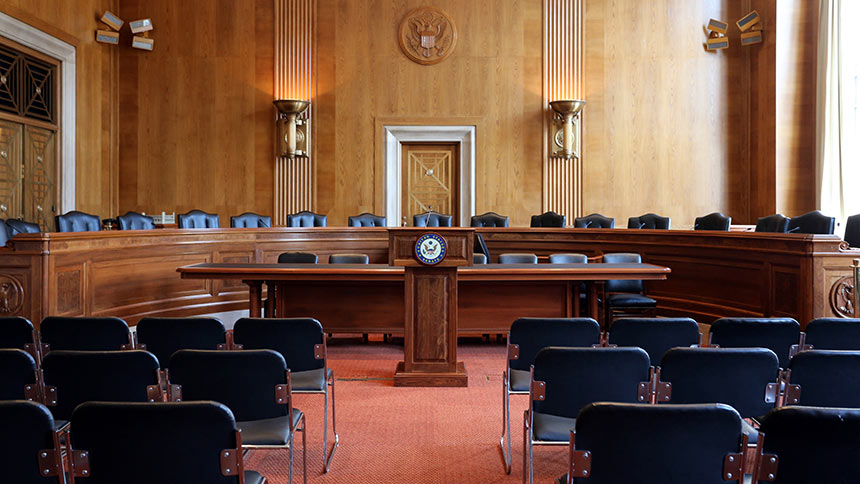
Photo of a United States Senate committee hearing room in Washington, DC on July 18, 2017

Federal SCREEN Act Scheduled for Senate Markup

What Adult Platforms Need to Know The U.S. Senate Committee on Commerce, Science, and Transportation will consider the Shielding Children’s Retinas from Egregious Exposure on the Net Act, commonly known as the SCREEN Act, during an executive session scheduled for August 5, 2026. The bill, S. 737, would establish a federal age-verification mandate for online platforms that regularly make adult content available for profit. The SCREEN Act is only one of several online-safety bills on the committee’s agenda, but it is the proposal with the most direct and immediate significance for the adult entertainment industry. Committee approval would send the…

Read more
AI-generated photo of a sexy woman laying across an arm chair with dark red overlay and white serif type and Silverstein Legal logo

AI-Generated Adult Content: “It’s Synthetic” Is Not a Compliance Strategy

AI-generated adult content may be synthetic, but the compliance risk is real. That point matters for AI adult chat platforms, AI companion products, fantasy-roleplay services, synthetic adult-media generators, text-to-image and text-to-video tools, voice and avatar products, and adult platforms adding generative-AI features. Some platforms assume they are in a safer position because the content is fictional, user-directed, AI-generated, or text-only. Those facts may be relevant, but they are not complete compliance answers. The issue is not simply whether the content is “real.” The issue is whether the platform can show that its rules, disclosures, moderation tools, complaint process, and internal…

Read more
Photo of Congress building in Washington DC under blue sky.

Federal Age-Verification Proposal for Adult Websites Gains Bipartisan Momentum

On June 22, 2026, House Energy and Commerce Committee Chairman Brett Guthrie and Ranking Member Frank Pallone announced a bipartisan agreement on the Kids Internet and Digital Safety Act, or KIDS Act. According to the committee announcement, the package includes portions of several children’s online safety bills, including the SCREEN Act. For the adult-entertainment industry, the SCREEN Act is the key issue. Prior versions of the SCREEN Act focused on requiring certain websites that make adult material available online to use age-verification technology to prevent minors from accessing material harmful to minors. The committee has not yet released the final…

Read more
Photo of the Australian Flag

Australia’s eSafety Commissioner Takes Action Against Another AI “Nudify” Service

Australia’s eSafety Commissioner has begun enforcement action against another major AI-powered “nudify” service for allegedly failing to protect Australian children from exposure to sexually explicit deepfake content. According to eSafety, the service allows users to upload images of real people and generate sexually explicit deepfake content on demand. eSafety issued a formal Direction to Comply to the service, giving it 14 days to implement stronger protections to prevent children from accessing the service. The action is significant because it shows that Australia’s online safety regulator is moving quickly against AI services that create or facilitate sexualized deepfake content, particularly where…

Read more
Photo of keyboard with digital warning icon in red

FTC Sends Warning Letters Over Take It Down Act Compliance

The Federal Trade Commission has begun enforcing the federal TAKE IT DOWN Act and has already sent warning letters to companies that the FTC believes may be out of compliance. The first wave of letters targeted websites offering so-called “nudify” tools, which can be used to create nonconsensual, sexualized images from clothed images. The FTC’s action is an important signal for platforms that host, publish, transmit, curate, or otherwise make available user-generated content, intimate content, AI-generated content, digitally altered images, messaging content, livestreams, comments, or other media. Covered platforms are now expected to have a clear process for receiving and…

Read more
Back To Top
Search